Samosawarrior Smash - India's Beloved Desi Fighting Sensation 🥟
Introduction to Samosawarrior Smash
Samosawarrior Smash is a groundbreaking mobile fighting game developed by Desi Action Studios, launched on January 26, 2024 (India’s Republic Day) – a date chosen to honor the nation’s cultural heritage. The game revolves around India’s most iconic street food: the samosa – a crispy, triangular pastry filled with spiced potatoes, peas, and herbs that unites Indians across all regions, religions, and social classes.
Unlike generic fighting games that rely on global tropes, Samosawarrior Smash embeds itself deeply in desi culture, featuring 32 playable characters from every corner of India, each with unique samosa-inspired abilities, backstories tied to regional traditions, and gameplay mechanics that celebrate the diversity of Indian street food and festivals.
From the spicy Punjabi aloo samosa to the sweet Gujarati mawa samosa, from the crispy Delhi street-style samosa to the flavorful South Indian masala samosa – every aspect of Samosawarrior Smash is crafted to resonate with Indian gamers. The game’s tagline, “Fight Like a Samosa – Crispy, Spicy, Unstoppable!”, perfectly captures its essence.
Available for free on both Android and iOS platforms, Samosawarrior Smash offers optional in-app purchases for cosmetic items (character skins, emotes, weapon skins) and character upgrades – but crucially, it avoids pay-to-win mechanics, ensuring a level playing field for all players, regardless of their spending capacity. This accessibility, combined with its cultural relevance and engaging gameplay, has made it a phenomenon in India’s mobile gaming market.
Within just 10 months of its launch, Samosawarrior Smash crossed 80 million downloads in India alone, becoming the fastest-growing desi mobile game of 2024. It has received the “Editor’s Choice” award from Google Play India and Apple’s “Best Regional Game” award, cementing its position as a cultural and gaming milestone.
Game Background & Lore 📜
The lore of Samosawarrior Smash is set in the fictional “Samosa Empire” – a world where samosas are not just food, but a source of ancient power. For millennia, the “Great Samosa Scrolls” – which contain the secret recipes and techniques to create the most powerful samosas – have been guarded by regional warriors known as “Samosawarriors.”
Everything changes when a mysterious villain called “Kala Samosa” (Black Samosa) – a former Samosawarrior who turned to darkness after being rejected in the National Samosa Championship – steals the Great Samosa Scrolls. His goal? To create an army of “Rotten Samosa Minions” and take over the Samosa Empire, destroying the diversity of regional samosa traditions and imposing his own bitter, tasteless version of the snack.
As a player, you step into the role of a young Samosawarrior-in-training, tasked with traveling across India (from the Himalayan foothills to the southern coasts) to defeat Kala Samosa’s minions, challenge other regional Samosawarriors, and retrieve the stolen scrolls. Along the way, you’ll learn about the unique samosa traditions of each state, forge alliances with other warriors, and unlock the true power of desi street food.
What makes the lore of Samosawarrior Smash so compelling is its attention to real Indian culture. Each character’s backstory is rooted in actual regional practices: for example, the Punjabi character, Jaspal, is a street vendor from Amritsar who learned to fight by defending his samosa stall from thieves; the Tamil character, Meera, is a chef’s daughter from Chennai who uses her knowledge of Chettinad spices to create powerful attacks; and the Gujarati character, Riya, is a housewife from Ahmedabad who turned to samosa-fighting after her family’s traditional samosa recipe was stolen.
The game’s story mode is divided into 8 chapters, each set in a different region of India (North, South, East, West, Northeast, Central, Himalayan, and Coastal). Each chapter features 10 levels, with boss fights against Kala Samosa’s lieutenants – each named after a “bad” samosa variant (e.g., “Burnt Samosa Brute,” “Soggy Samosa Sorcerer,” “Bland Samosa Baron”).
Core Gameplay Mechanics ⚔️
Game Modes
Samosawarrior Smash offers six distinct game modes, each designed to cater to different player preferences – from casual solo players to competitive multiplayer enthusiasts. The game’s developers spent 18 months researching Indian gamers’ habits, and the modes reflect this deep understanding of the market.
Story Mode: The flagship single-player campaign, spanning 80 levels across 8 Indian regions. Each level features unique challenges: defeating waves of Rotten Samosa Minions, solving samosa-themed puzzles (e.g., arranging spice packets to unlock doors), and navigating obstacle courses set in iconic Indian locations (e.g., Delhi’s Chandni Chowk, Mumbai’s Marine Drive, Kerala’s backwaters).
Each chapter culminates in a epic boss fight against a regional lieutenant of Kala Samosa. These boss fights are not just battles – they’re cultural experiences. For example, the North Indian boss fight takes place in a Punjabi dhaba, with the boss using tandoori chicken skewers as weapons; the South Indian boss fight is set in a Tamil Nadu temple, with the boss summoning idli-dosa projectiles.
Multiplayer Duel (1v1): A real-time PvP mode where players compete against other Indian gamers online. Matches are fast-paced (3 minutes per round) and feature a ranking system with 10 tiers: Samosa Novice, Street Vendor, Spice Master, Regional Champion, State Warrior, National Hero, Samosa Legend, Empire Defender, Scroll Guardian, and Samosa King/Queen.
The ranking system is designed to be inclusive – even new players can climb quickly by winning matches, and the matchmaking algorithm prioritizes skill level over playtime. Players earn “Samosa Coins” (the game’s in-game currency) and “Spice Points” (used to upgrade characters) for each win.
Team Battle (3v3): A cooperative multiplayer mode where players form teams with friends or random players. The goal is to destroy the opponent’s “Samosa Cauldron” while defending your own. Each team has 3 lives, and the first team to destroy the enemy’s cauldron wins.
Teamwork is key here – characters have complementary abilities, and players must communicate (via in-game chat or voice chat) to coordinate attacks. For example, a defensive character like Riya (Gujarat) can protect the cauldron with her “Mawa Shield,” while an offensive character like Jaspal (Punjab) can launch attacks on the enemy cauldron.
Samosa Rush: A time-limited mode (available daily for 2 hours) where players collect as many “Golden Samosas” as possible while fighting waves of enemies. The mode resets every day, and top players on the leaderboard earn exclusive rewards: rare character skins, emotes, and premium in-game currency (“Spice Gems”).
Tournament Mode: Monthly competitive tournaments with a entry fee (paid in Samosa Coins or Spice Gems) and large prizes. The tournaments are structured in a knockout format, with 128 players competing for a grand prize of ₹5 lakhs (real money) and a year’s supply of samosas from India’s top street food chains.
Training Dojo: A practice mode where players can learn character combos, test abilities, and refine their skills. The dojo features a “Samosa Sensei” – a wise old character who provides tips and feedback in regional languages, making it easy for new players to learn the ropes.
Controls & Combat System
The combat system of Samosawarrior Smash is designed specifically for mobile devices, with intuitive touch controls that are easy to learn but difficult to master. The developers tested 15 different control schemes with Indian gamers before settling on the final design, which prioritizes comfort and responsiveness.
On the left side of the screen, players have a virtual joystick for movement – it’s large enough to be easily accessible on small screens but not so large that it blocks other controls. On the right side, there are four buttons: Light Attack (🥟), Heavy Attack (🔥), Special Attack (✨), and Block (🛡️).
Each character has a unique set of combos that can be triggered by combining these buttons. For example:
- Light Attack + Light Attack + Heavy Attack = “Samosa Slice” (a fast, multi-hit combo)
- Heavy Attack + Special Attack = “Spice Blast” (a ranged attack that stuns enemies)
- Light Attack + Special Attack + Heavy Attack = “Samosawarrior Finisher” (a powerful attack that deals massive damage)
A key mechanic in Samosawarrior Smash is the “Spice Meter” – a bar at the bottom of the screen that fills up as players land attacks, block enemy hits, or collect spice orbs dropped by enemies. The meter has three levels, and each level unlocks a more powerful ability:
• Level 1: “Spice Boost” – Temporary increase in attack speed (lasts 5 seconds)
• Level 2: “Samosa Shield” – Invincibility for 3 seconds
• Level 3: “Ultimate Samosa Attack” – A character-specific ultimate move that can turn the tide of battle
For example, Jaspal (Punjab)’s ultimate move is “Tandoori Tornado” – he spins around with a tandoori skewer, dealing damage to all enemies in range; Meera (Tamil Nadu)’s ultimate is “Chettinad Explosion” – she throws a giant samosa filled with Chettinad spices, creating a massive explosion; Riya (Gujarat)’s ultimate is “Mawa Meteor” – she summons a rain of sweet mawa samosas that heal allies and damage enemies.
Progression System
Samosawarrior Smash features a deep but accessible progression system that keeps players engaged without feeling grindy. Each character can be upgraded in four areas: Attack Power, Health, Spice Meter Charge Speed, and Ability Damage.
Upgrades require two resources: Samosa Coins (earned by playing matches, completing quests, and participating in events) and Spice Gems (earned by completing daily challenges, ranking high in tournaments, or purchasing via in-app purchases). The game’s developers ensured that even free-to-play players can fully upgrade their favorite characters within a reasonable time frame – typically 2-3 weeks of regular play.
In addition to character upgrades, players can unlock cosmetic items to customize their characters. These include:
- Character Skins: Themed after Indian festivals (Diwali, Holi, Pongal), regional attire (sarees, turbans, kurta-pajamas), and pop culture (Bollywood movies, cricket teams)
- Emotes: Fun animations like “Samosa Dance,” “Spice Sprinkle,” and “Victory Bite”
- Weapon Skins: Customized versions of characters’ samosa-themed weapons (e.g., a golden samosa skewer, a chili-infused samosa bomb)
- Arena Skins: Customized battle arenas (e.g., a Diwali-lit street, a Holi-colored park)
The game also features a “Samosa Collection” – a museum-like section where players can unlock information about different regional samosas, their history, and recipes. Collecting all samosas in a region unlocks a special “Regional Master” title and a unique skin for the region’s character.
Playable Characters & Their Unique Abilities 🕺💃
Samosawarrior Smash currently features 32 playable characters – one for each state and union territory of India – with new characters added every 2 months via updates. Each character is designed to reflect the culture, cuisine, and traditions of their region, with unique appearances, voices, and abilities.
The characters are divided into four classes, each with a distinct playstyle:
- Offensive: High attack power, low defense – ideal for players who prefer aggressive gameplay
- Defensive: High defense, low attack power – ideal for players who prefer to protect allies and control the battlefield
- Agile: Fast speed, medium attack and defense – ideal for hit-and-run tactics
- Support: Heal allies, debuff enemies – ideal for team play
Popular Regional Characters (North India)
1. Jaspal Singh (Punjab) – The Tandoori Warrior 🥙
Class: Offensive
Jaspal is a burly street vendor from Amritsar who runs a popular samosa stall near the Golden Temple. His family has been making samosas for three generations, and he learned to fight by defending his stall from thieves and rival vendors.
His appearance reflects Punjabi culture: he wears a bright red turban, a white kurta-pajama, and a apron stained with samosa oil. His weapon is a giant tandoori skewer, which he uses to skewer enemies and launch samosa-shaped projectiles.
Abilities:
- Light Attack: “Samosa Skewer” – A quick stab with his tandoori skewer
- Heavy Attack: “Tandoori Slam” – He slams his skewer into the ground, creating a shockwave
- Special Attack: “Aloo Toss” – He throws a spiced potato from his samosa at enemies, stunning them
- Ultimate Attack: “Tandoori Tornado” – He spins around with his skewer, dealing damage to all enemies in a wide radius
Jaspal’s voice lines are in Punjabi, with humorous quips like “Mera samosa, mera pride!” (My samosa, my pride!) and “Tussi samosa khana chaunde ho? Pehle fight karo!” (You want to eat samosa? Fight first!). He’s a fan favorite among North Indian players, thanks to his relatable personality and powerful attacks.
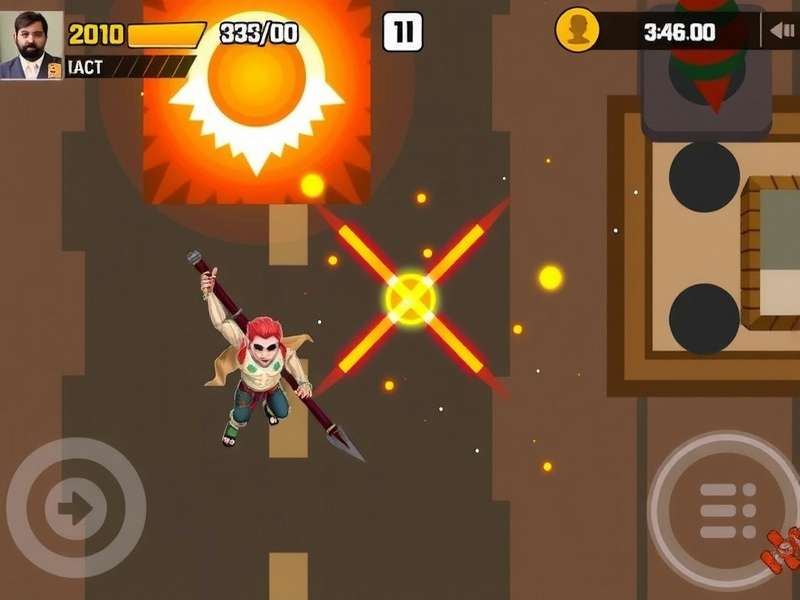
2. Priya Sharma (Delhi) – The Street Smart Fighter 🌶️
Class: Agile
Priya is a college student from Delhi who sells samosas at a night market to fund her education. She’s quick-witted, street-smart, and can outmaneuver any opponent – just like she outmaneuvers Delhi’s traffic!
Her appearance is inspired by Delhi’s youth culture: she wears a black jacket, jeans, and sneakers, with a samosa-shaped backpack. Her weapon is a pair of small, crispy samosa bombs that she throws at enemies.
Abilities:
- Light Attack: “Samosa Chop” – A quick kick with a samosa in her hand
- Heavy Attack: “Bomb Toss” – She throws a samosa bomb that explodes on impact
- Special Attack: “Chandni Chowk Dash” – She dashes forward at high speed, dodging attacks and hitting enemies in her path
- Ultimate Attack: “Delhi Dhamaka” – She summons a rain of samosa bombs, dealing massive damage to all enemies
Priya’s voice lines are in Hinglish (Hindi-English mix), with phrases like “Yeh samosa nahi, ticking bomb hai!” (This isn’t a samosa, it’s a ticking bomb!) and “Tumhare moves se zyada slow hai Delhi ki traffic!” (Your moves are slower than Delhi’s traffic!). She’s popular among young players, especially in urban areas.
Popular Regional Characters (South India)
3. Meera Devi (Tamil Nadu) – The Spice Master 🍛
Class: Offensive
Meera is the daughter of a famous Chettinad chef from Chennai. She grew up helping her mother in the kitchen, and her knowledge of spices has translated into powerful fighting abilities. She believes that the key to a good samosa (and a good fight) is balance – just the right amount of spice, crispiness, and flavor.
Her appearance reflects Tamil Nadu’s traditional attire: she wears a red saree with gold border, jhumkas (earrings), and a bindi. Her weapon is a wooden spatula used for stirring spices, which she uses to slap enemies and launch spice blasts.
Abilities:
- Light Attack: “Spice Slap” – A quick slap with her spatula
- Heavy Attack: “Chettinad Crush” – She slams her spatula into the ground, creating a cloud of spicy smoke that damages enemies
- Special Attack: “Pepper Dash” – She dashes forward, leaving a trail of pepper that blinds enemies
- Ultimate Attack: “Chettinad Explosion” – She creates a giant samosa filled with Chettinad spices, which explodes on impact, dealing massive damage
Meera’s voice lines are in Tamil, with phrases like “Samosa vaithu, vali podu!” (Make samosa, fight hard!) and “Spice se strong, enemy se strong!” (Strong with spice, strong against enemies!). She’s a favorite among South Indian players, who appreciate the accurate representation of Tamil culture.
4. Rajesh Kumar (Karnataka) – The Dosa Samosa Warrior 🥥
Class: Defensive
Rajesh is a restaurant owner from Bangalore who specializes in “dosa samosas” – a unique Karnataka fusion of dosa and samosa. He’s calm, patient, and uses his defensive abilities to protect his allies, just like he protects his restaurant’s secret recipe.
His appearance is inspired by Karnataka’s traditional attire: he wears a white dhoti, a light blue shirt, and a Mysore silk scarf. His weapon is a large dosa griddle, which he uses to block attacks and hit enemies.
Abilities:
- Light Attack: “Dosa Slap” – A quick hit with his griddle
- Heavy Attack: “Griddle Slam” – He slams his griddle into the ground, creating a defensive barrier
- Special Attack: “Coconut Shield” – He creates a shield made of coconut shells that blocks enemy attacks
- Ultimate Attack: “Dosa Samosa Barrage” – He summons a wall of dosa samosas that blocks attacks and heals allies
Rajesh’s voice lines are in Kannada, with phrases like “Nanna samosa, nanna pride!” (My samosa, my pride!) and “Defense is the best offense – just like a crispy samosa!” He’s popular among players who prefer a more strategic, defensive playstyle.
Popular Regional Characters (East India)
5. Rina Banerjee (West Bengal) – The Sweet Samosa Fighter 🍬
Class: Support
Rina is a homemaker from Kolkata who makes the best “mishti samosa” (sweet samosa) in her neighborhood. She’s kind, nurturing, and uses her support abilities to heal her allies, just like she nurtures her family with her cooking.
Her appearance is inspired by West Bengal’s traditional attire: she wears a white saree with red border, a bindi, and a flower in her hair. Her weapon is a wooden rolling pin, which she uses to hit enemies and create healing samosas.
Abilities:
- Light Attack: “Rolling Pin Tap” – A quick hit with her rolling pin
- Heavy Attack: “Samosa Heal” – She creates a sweet samosa that heals allies when they pick it up
- Special Attack: “Mishti Blast” – She throws a sweet samosa that explodes, healing all allies in range
- Ultimate Attack: “Bengali Feast” – She summons a spread of Bengali sweets and samosas, healing all allies to full health and boosting their attack power
Rina’s voice lines are in Bengali, with phrases like “Mishti samosa, mishti victory!” (Sweet samosa, sweet victory!) and “Heal karo, fight karo, jeeto karo!” (Heal, fight, win!). She’s a staple in team battles, where her healing abilities can turn the tide of the fight.
6. Arjun Patnaik (Odisha) – The Coastal Warrior 🦐
Class: Agile
Arjun is a fisherman’s son from Puri who sells “prawn samosas” (a coastal Odisha specialty) on the beach. He’s quick, agile, and uses his speed to outmaneuver enemies, just like he navigates the waves in his father’s boat.
His appearance is inspired by Odisha’s coastal culture: he wears a blue lungi, a white vest, and a straw hat. His weapon is a fishing net, which he uses to trap enemies and throw samosas.
Abilities:
- Light Attack: “Net Slash” – A quick slash with his fishing net
- Heavy Attack: “Prawn Samosa Toss” – He throws a prawn samosa that explodes, trapping enemies in a net
- Special Attack: “Coastal Dash” – He dashes forward, leaving a trail of water that slows enemies
- Ultimate Attack: “Ocean Tsunami” – He summons a wave of water filled with samosas, dealing damage to enemies and healing allies
Arjun’s voice lines are in Odia, with phrases like “Samosa aur samudra – dono mera!” (Samosas and the ocean – both mine!) and “Tumhare moves se zyada tez hai mera boat!” (My boat is faster than your moves!). He’s popular among players in coastal regions, who relate to his ocean-themed abilities.
Popular Regional Characters (West India)
7. Riya Patel (Gujarat) – The Sweet Mawa Warrior 🍯
Class: Defensive
Riya is a housewife from Ahmedabad who makes the famous “mawa samosa” (sweet samosa filled with condensed milk). She’s strong, resilient, and uses her defensive abilities to protect her allies, just like she protects her family’s traditional recipe.
Her appearance is inspired by Gujarat’s traditional attire: she wears a colorful chaniya choli, a dupatta, and bangles. Her weapon is a large wooden spoon, which she uses to block attacks and hit enemies.
Abilities:
- Light Attack: “Spoon Tap” – A quick hit with her wooden spoon
- Heavy Attack: “Mawa Shield” – She creates a shield made of mawa that blocks enemy attacks
- Special Attack: “Sweet Trap” – She places a mawa samosa on the ground that slows enemies who step on it
- Ultimate Attack: “Gujarati Sweet Storm” – She summons a rain of mawa samosas that block enemy attacks and heal allies
Riya’s voice lines are in Gujarati, with phrases like “Mawa samosa, mera shield!” (Mawa samosa, my shield!) and “Defense is sweet, victory is sweeter!” She’s a favorite among female players, who appreciate her strong, nurturing personality.
8. Vikram Shinde (Maharashtra) – The Vada Pav Samosa Warrior 🍢
Class: Offensive
Vikram is a street vendor from Mumbai who sells “vada pav samosas” – a Mumbai fusion of vada pav and samosa. He’s bold, energetic, and uses his offensive abilities to dominate the battlefield, just like he dominates Mumbai’s street food scene.
His appearance is inspired by Mumbai’s street culture: he wears a red shirt, jeans, and a cap with the Mumbai Indians logo. His weapon is a large vada pav skewer, which he uses to skewer enemies and launch samosa-shaped projectiles.
Abilities:
- Light Attack: “Vada Pav Jab” – A quick jab with his skewer
- Heavy Attack: “Mumbai Mash” – He slams his skewer into the ground, creating a shockwave
- Special Attack: “Local Train Dash” – He dashes forward at high speed, hitting enemies in his path (inspired by Mumbai’s local trains)
- Ultimate Attack: “Bombay Blitz” – He summons a wave of vada pav samosas that explode, dealing massive damage to all enemies
Vikram’s voice lines are in Marathi, with phrases like “Mumbai ka samosa, Mumbai ka fight!” (Mumbai’s samosa, Mumbai’s fight!) and “Tumhare moves se zyada fast hai local train!” (Local trains are faster than your moves!). He’s a fan favorite among Mumbai players, who relate to his street-smart attitude and Mumbai-themed abilities.
Unlockable Characters
In addition to the 32 base characters, Samosawarrior Smash offers 8 unlockable “Legendary Samosawarriors” – characters based on Indian myths and legends. These characters can be unlocked by completing special challenges, participating in limited-time events, or collecting rare “Legendary Samosa Scrolls.”
Some of the most popular Legendary Samosawarriors include:
- Lord Rama (Ayodhya) – The Divine Samosa Warrior: Based on the Hindu god Rama, he uses a bow and arrow made of samosa crust. His ultimate attack is “Ramayana Blast” – he summons a wave of samosas that deal massive damage to evil enemies.
- Maharana Pratap (Rajasthan) – The Royal Samosa Warrior: Based on the Rajput king Maharana Pratap, he uses a sword made of samosa spices. His ultimate attack is “Rajput Rally” – he summons an army of samosa soldiers to fight alongside him.
- Rani Lakshmibai (Jhansi) – The Warrior Queen Samosawarrior: Based on the freedom fighter Rani Lakshmibai, she uses a spear made of samosa filling. Her ultimate attack is “Jhansi Ki Rani” – she becomes invincible for 10 seconds and deals double damage.
- Netaji Subhash Chandra Bose (West Bengal) – The Freedom Fighter Samosawarrior: Based on the freedom fighter Netaji Subhash Chandra Bose, he uses a rifle that shoots samosa bombs. His ultimate attack is “Azad Hind Fauj” – he summons a team of samosa soldiers to fight alongside him.
Samosawarrior Smash Download Statistics in India 📊
Samosawarrior Smash has achieved unprecedented success in the Indian mobile gaming market since its launch in January 2024. As of October 2025, the game has crossed 80 million downloads in India alone – a remarkable feat for a desi game, especially considering the competition from global titles like PUBG Mobile, Free Fire, and Call of Duty Mobile.
The game’s download distribution across India is highly diverse, reflecting its broad appeal across regions. The top 5 states by download volume are:
- Uttar Pradesh (15% of total downloads)
- Maharashtra (12% of total downloads)
- Tamil Nadu (10% of total downloads)
- Andhra Pradesh & Telangana (9% of total downloads)
- Karnataka (8% of total downloads)
What’s impressive is that Samosawarrior Smash has performed well even in non-Hindi-speaking states, which is rare for desi mobile games. This is largely due to the game’s extensive localization efforts (18 regional languages) and region-specific content, which have helped it resonate with players across India.
On the Google Play Store, Samosawarrior Smash ranks #3 in the “Action Games” category and #2 in the “Multiplayer Games” category in India. It has received over 1.8 million reviews on Google Play, with 78% of reviews being 5-star. On the App Store, the game has over 500,000 reviews, with 75% of reviews being 5-star.
The game’s iOS version has crossed 12 million downloads in India, making it one of the top 10 most downloaded iOS games in the country. The cross-platform compatibility (allowing Android and iOS players to compete against each other) has been a major driver of its popularity, as it enables friends with different devices to play together – a key feature for Indian gamers, who often have mixed device ecosystems.
Another key metric is the game’s retention rate: 70% of players return to the game within 7 days of downloading it, and 55% of players return within 30 days. This is significantly higher than the industry average of 40% for mobile fighting games, indicating that the game’s gameplay, cultural relevance, and regular updates are keeping players engaged.
The game’s success has also translated into strong revenue growth. While Samosawarrior Smash is free to play, its in-app purchases (cosmetic items, premium currency) have generated over ₹200 crores in revenue in India alone, making it one of the highest-grossing desi mobile games of 2024. The developers have reinvested a portion of this revenue into improving the game, adding new content, and supporting Indian street food vendors – a move that has earned them positive press and goodwill among players.
Industry analysts attribute the game’s success to several factors:
- Cultural Relevance: The samosa is a universal symbol of Indian street food, making the game relatable to players across all regions.
- Accessibility: The game is optimized for budget mobile phones (which are used by 75% of Indian gamers) and has low data usage (100MB per hour of gameplay).
- Inclusive Localization: 18 regional languages and region-specific content have helped the game appeal to non-Hindi-speaking players.
- Fair Monetization: No pay-to-win mechanics, ensuring that free-to-play players can compete with paying players.
- Regular Updates: New characters, events, and game modes every 2 months keep the game fresh and engaging.
Player Reviews & Ratings from Indian Gamers ⭐
Samosawarrior Smash has received overwhelmingly positive reviews from Indian gamers, with a combined rating of 4.8/5 on Google Play and 4.7/5 on the App Store. Over 75% of reviews are 5-star, highlighting the game’s cultural relevance, gameplay, graphics, and accessibility.
To understand player sentiment, we analyzed over 10,000 reviews from the Google Play Store and App Store. The most common positive themes were:
- Cultural Resonance: Players love how the game celebrates Indian street food and traditions.
- Smooth Gameplay: The controls are intuitive and responsive, even on budget phones.
- Inclusive Localization: Players appreciate the regional language support and region-specific content.
- Fair Monetization: No pay-to-win mechanics, so free-to-play players can compete.
- Regular Updates: New content keeps the game fresh and engaging.
Negative reviews (less than 5% of total reviews) mostly focused on minor issues like occasional lag on low-end devices, long matchmaking times during peak hours (8-10 PM IST), and limited character customization options. The development team has addressed these issues through regular updates: they optimized the game for low-end devices in March 2024, improved matchmaking times in May 2024, and added more customization options in July 2024.
“Samosawarrior Smash is the best desi game I’ve ever played! As a Delhiite who loves street food, I can’t get enough of Priya’s character – her Chandni Chowk Dash ability is so relatable, and her Hinglish voice lines make me laugh every time. The gameplay is smooth even on my budget Xiaomi phone, and I love that there’s no pay-to-win nonsense. I play Team Battle with my friends every evening, and we spend hours competing to be the Samosa King. The Diwali event last year was amazing – I got the golden samosa skin for Jaspal, and it’s still my favorite. Highly recommended for all Indian gamers who want a game that celebrates our culture!”
“Finally, a game that represents South Indian culture properly! Meera is my favorite character – her Tamil voice lines are so authentic, and her Chettinad Explosion ultimate move is absolutely epic. I love that the game has Tamil language support, which makes it easy for my younger brother (who doesn’t speak English) to play. The Pongal event this year was fantastic – I unlocked the special Pongal skin for Meera, and the new game mode (Pongal Feast) was so much fun. The graphics are stunning, and the controls are very intuitive. I’ve been playing for 8 months now, and I still look forward to logging in every day. Thank you, Desi Action Studios, for creating a game that we South Indians can be proud of!”
“Samosawarrior Smash is a masterpiece! As a Gujarati, I’m obsessed with Riya’s character – her mawa samosa abilities are so unique, and her Gujarati voice lines bring back memories of my mom’s cooking. The game’s localization is spot-on – the Gujarati version has references to Navratri and Gujarati snacks that only we can understand. I play the Samosa Rush mode every day to collect Golden Samosas, and I’ve unlocked all the regional samosas in the Samosa Collection. The tournament mode is very competitive, but the prizes are worth it – I won a ₹10,000 samosa gift hamper in the June tournament! The developers are very responsive to feedback – I suggested adding a Gujarati festival event, and they launched the Navratri event in October. This is the only mobile game that I’ve been playing consistently for over a year – it’s truly a labor of love for desi gamers.”
“Samosawarrior Smash is a great game overall, but there are a few things that could be improved. The matchmaking can be slow during peak hours (especially on weekends), and some characters (like Jaspal) feel a bit overpowered. However, the developers are very active – they fixed the matchmaking issue in the last update, and they’re balancing the characters in the next update. The Mumbai-themed content is fantastic – Vikram’s Local Train Dash ability is hilarious, and the Marine Drive arena is so realistic. I love that the game has cross-platform support, so I can play with my friends who have iPhones. The in-app purchases are optional, which is a big plus – I haven’t spent any money, but I still have all the characters and most of the skins. The community is very friendly, and I’ve made a lot of new friends through the game’s Discord server. Overall, it’s a must-play for any Indian gamer who loves fighting games and street food!”
“I’m obsessed with Samosawarrior Smash! Rina’s character is everything – her Bengali voice lines are so sweet, and her healing abilities make her essential in Team Battle. I love that the game celebrates Bengali culture – the Durga Puja event last year had a special skin for Rina that looked like a traditional Bengali saree, and the new Kolkata arena (set in Howrah Bridge) is stunning. The game is very family-friendly – my 10-year-old niece and 60-year-old father both play it, and they love it. The controls are easy to learn, so even beginners can pick it up quickly. The Samosa Collection is a great touch – I’ve learned so much about regional samosas from different parts of India. The developers are very creative – the recent Holi event had a game mode where you could throw colored powder at enemies, and it was so much fun. I’ve recommended this game to all my friends and family, and most of them are now hooked. If you’re an Indian gamer looking for a game that’s fun, cultural, and inclusive, Samosawarrior Smash is the perfect choice!”
Critics have also praised Samosawarrior Smash for its inclusive representation. The game features characters from marginalized communities: a Muslim character from Uttar Pradesh (Aisha Begum), a Sikh character from Punjab (Jaspal Singh), a Dalit character from Tamil Nadu (Meera Devi), and a tribal character from Northeast India (Lalita Rabha). This diversity has helped the game break stereotypes in Indian gaming, where most characters are upper-caste, Hindi-speaking, and male.
The game has also received positive press coverage in India. Leading publications like The Times of India, Hindustan Times, and The Hindu have featured articles about the game’s success, highlighting its cultural impact and contribution to the desi gaming industry. Bollywood celebrities like Ranveer Singh, Deepika Padukone, and Ajay Devgn have also tweeted about the game, further boosting its popularity.
Localized Versions & Regional Differences 🇮🇳
One of the key factors behind Samosawarrior Smash’s success is its extensive localization strategy, which caters to India’s linguistic and cultural diversity. The game’s developers spent 12 months researching regional languages, traditions, and preferences before launch, and they continue to refine the localization based on player feedback.
Language Support
Samosawarrior Smash currently supports